Conversation
-
Inside the FBI Firings with Former Acting Director Brian Driscoll
source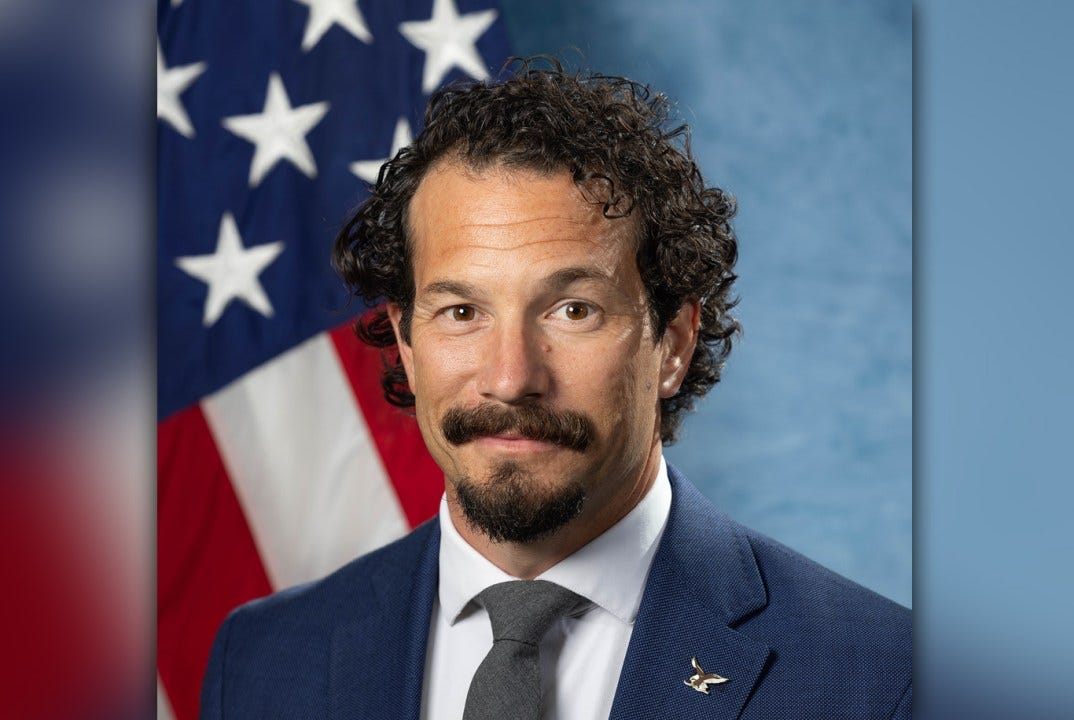
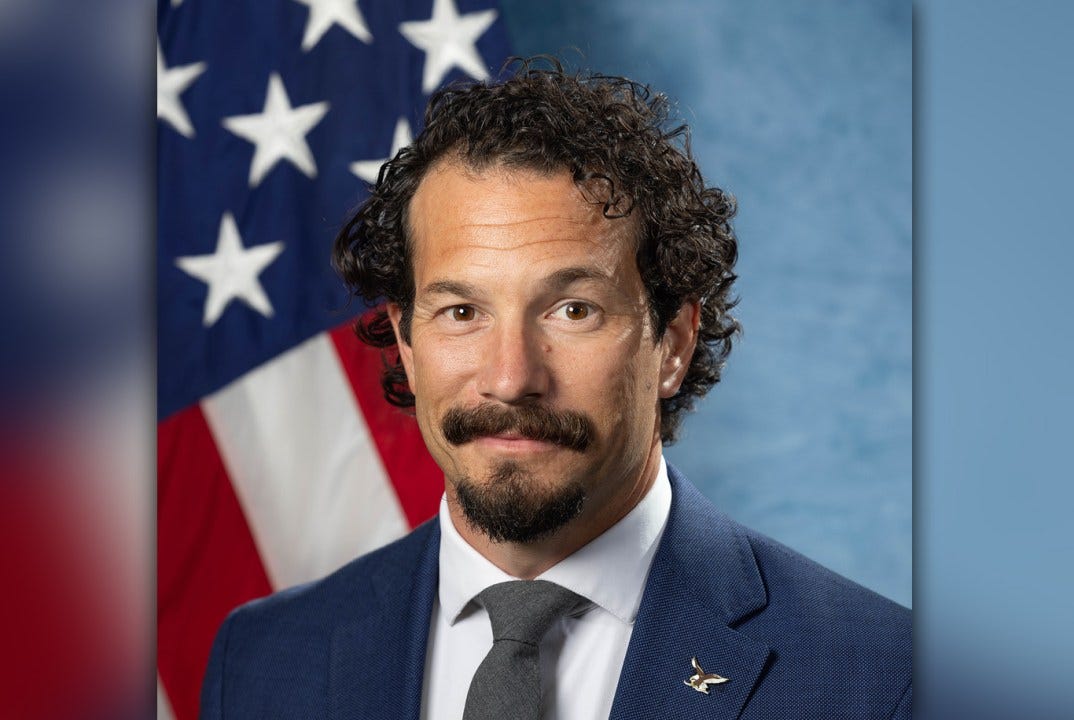
Just days before the U.S. launched the war in Iran last February, FBI director Kash Patel fired five veteran agents who specialized in countering Iranian threats to the U.S. homeland — a move that the bureau’s former acting director Thursday called an “abomination” that has had a crippling impact on U.S. national security.
“It’s absolutely devastating,” Brian Driscoll, a highly regarded senior agent who last year served briefly as the FBI’s acting director, said about the dismissals in an interview for the SpyTalk podcast.
“Those men and women had a deep level of knowledge, skills, abilities, [and] experience…on the Iranian threat. The fact that they were fired at all is disgusting,” he said.
Driscoll’s comments to SpyTalk were some of his harshest yet about the bureau’s leadership since he himself was fired by Patel last year, a move that he and two other senior colleagues are challenging in an ongoing lawsuit against the FBI for wrongful termination.
His remarks came shortly after another lawsuit was filed in federal district court in Washington on Thursday which surfaced new details about the Trump administration’s efforts to politicize the agency by purging the workforce of anybody tied to investigations of the president.
That wrongful termination complaint, which names Patel and Attorney General Todd Blanche as defendants, was filed by nine former FBI agents who were assigned to work on the investigation overseen by special counsel Jack Smith into Trump’s refusal to return classified documents he had taken with them to his Mar-A-Lago estate in Florida. The agents were abruptly fired last February with no cause given even though, according to the suit, Patel had in the months before privately praised some of the dismissed agents for their work.
While the firings were publicly known, the lawsuit revealed for the first time the agents’ backgrounds, including that five of them had deep, years-long experience in investigating Iranian-linked plots—and that they were cashiered just as the threat from the Islamic Republic was spiking to levels unseen in years.
“These are people who have forgotten more than I’ll ever know about [Iranian] threats,” Driscoll said about their dismissals. “And now they’re on the street.”
Among them was Jeremy Linton, a former U.S. Navy officer who spent nearly a decade in the FBI and, as a counterintelligence agent in the Washington field office, had drafted the affidavit that led to the Mar-a-Lago search.
At the time of his firing on Feb. 25, 2026, Liinton was overseeing “several dozen counterintelligence investigations relating to threats from Iran,” according to the complaint. His dismissal left those cases in disarray given that Linton was, with no advance notice, evicted from his FBI office in northern Virginia three days before the Iran War began, the lawsuit alleges. “Linton was unable to transition his cases and impending operations to other agents or convey intelligence he had received relating to Iran,” the suit states.
This post is being offered free to readers in the public interest. We wish we didn't need to put most of our stories behind a paywall, but reporting and publishing are expensive and we just couldn’t do it at this high level without the support of paying subscribers. Please consider signing up below.
Another of the fired agents was Erin Matanic who, after working the Mar-a-Lago case, was transferred to a counterterrorism squad in northern Virginia where she served as the lead analyst on a sensitive case involving a high value target weapons smuggler, Muhammad Pahlawan, who was charged with delivering Iranian-made advanced weapons from the Islamic Revolutionary Guard Corps to the Houthi rebels in Yemen. Pahlawan was convicted and sentenced last year to 40 years in federal prison; Matanic was given two awards for her work on the case from the Justice Department.
As a result of the firings of these and three other agents who worked Iranian counterintelligence, the bureau’s ability to track multiple Iranian assassination plots, including potentially against President Trump himself, “took a hit,” said Driscoll, who once headed the FBI’s North Africa international terrorism squad.
“Just when it’s most important to continue, maintain and increase the momentum against this [Iranian threat] you’ve put a foot on the brake,” he added.
(Those threats are also becoming even more active overseas. The Pentagon recently scrambled to remove a fleet of B-1 bombers from an air base in Britain amid concerns about an Iranian sabotage plot and, in a speech this week, MI5 chief Ken McCallum warned of a “major shift” that Iranian operatives targeting military installations, revealing there have been more than 50 arrests over the past year in “Iran-linked operations.”)
The FBI initially declined to comment on the lawsuit and Driscoll’s remarks. After this story was published, the FBI responded on X: “The FBI’s mission is bigger than any one individual, title, or former official.
“Our national security operations do not depend on a handful of people. They depend on the extraordinary agents, analysts, and professionals who protect this country every day.
“We will not litigate personnel matters in the media. We will continue strengthening our counterintelligence capabilities, confronting threats from Iran and other hostile actors, and delivering results for the American people.
“The mission comes first. Always.”
Widely Admired
Driscoll’s new willingness to speak out about what he views as a troubling departure from the bureau’s historic commitment to non-partisan law enforcement is especially noteworthy given the near cult-like status he has had among the FBI workforce.
Known to his colleagues as “Drizz,” Driscoll had served for years on the FBI’s Hostage Rescue Team where his exploits included a daring raid on an ISIS compound during which a leader responsible for the kidnapping and murder of Kayla Mueller, a young woman from Phoenix, was killed. He later commanded the team and eventually was promoted to assistant FBI director in charge of the Critical Incident Response Group, which provides rapid, expert response to crises such as hostage situations, terrorism, child abductions, and major violent incidents.
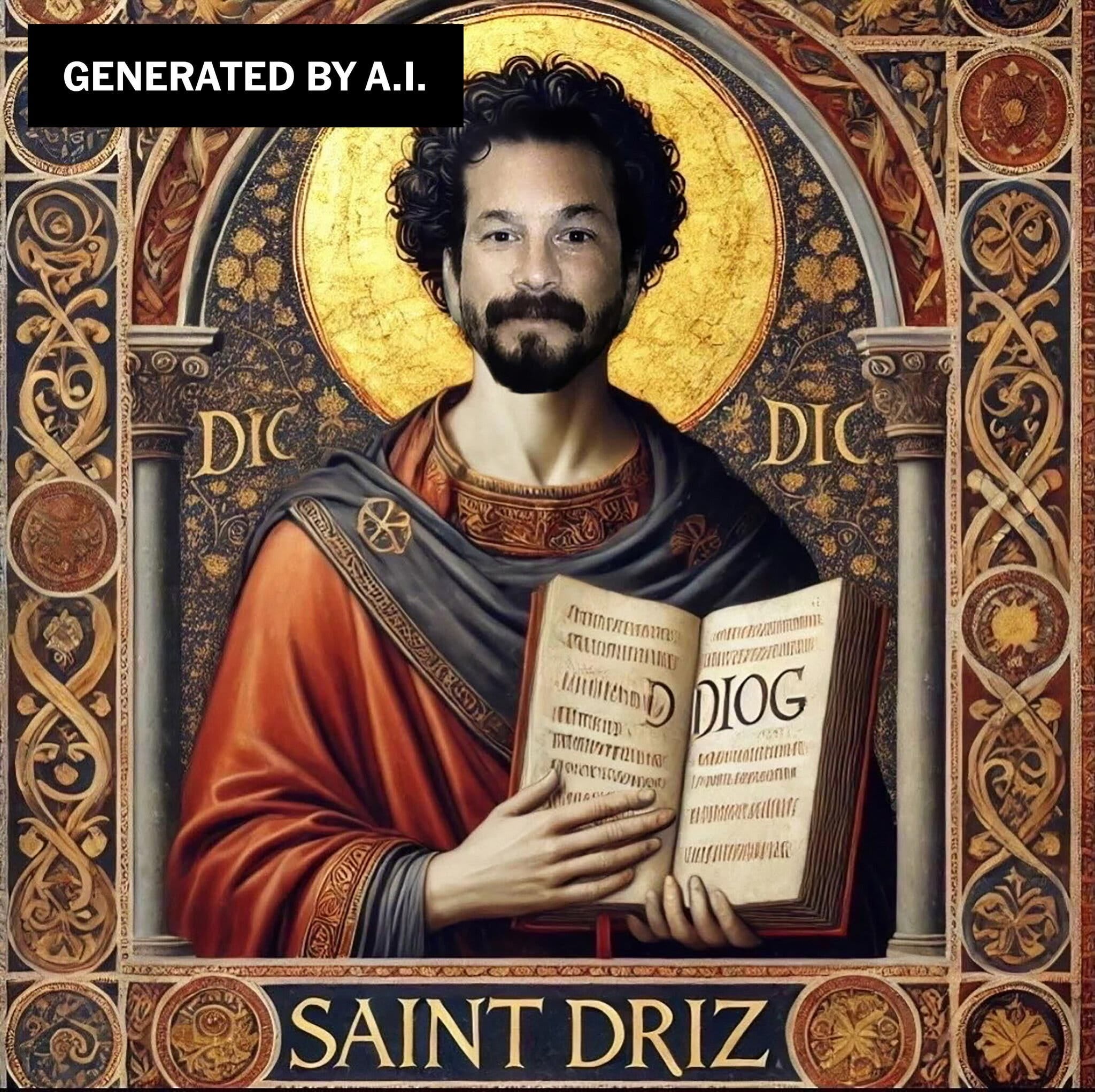
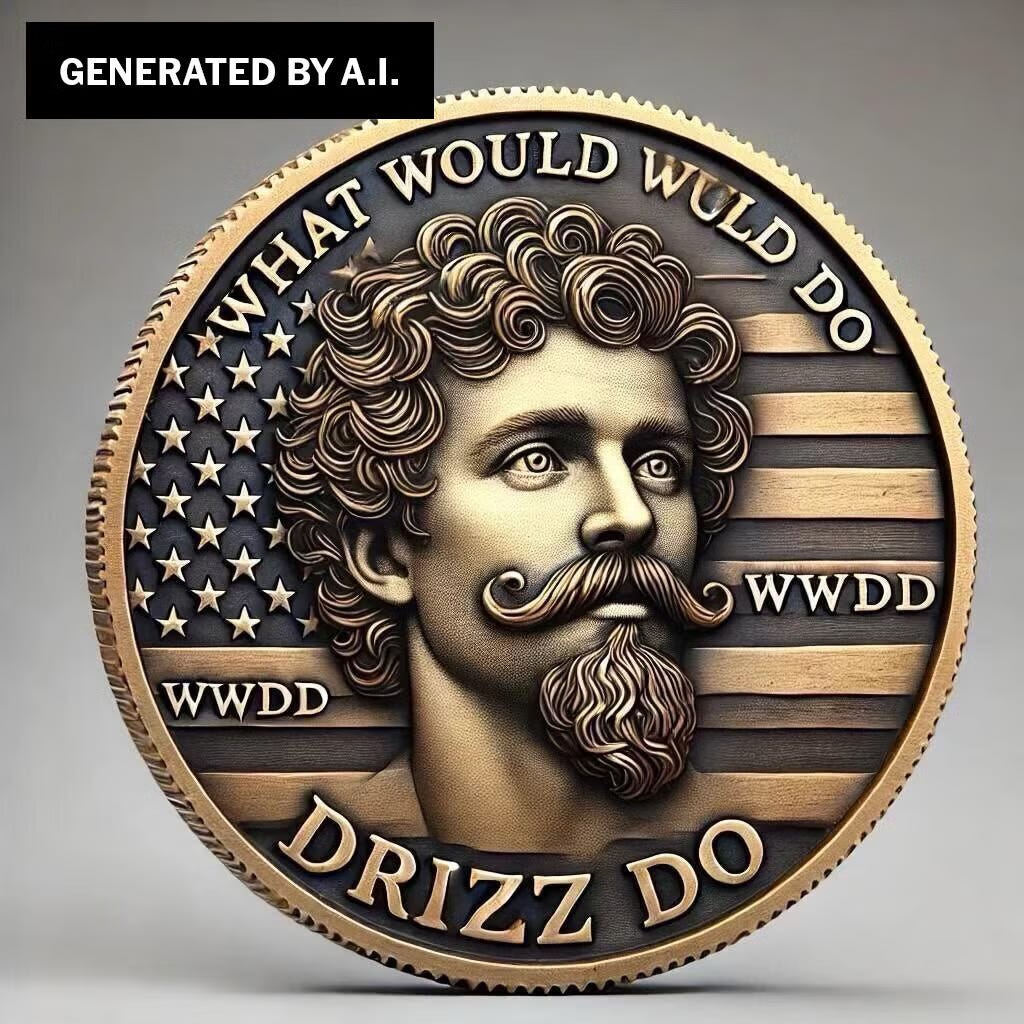
After he was elevated to acting FBI director in early 2025, he became a symbol of resistance to the Trump administration when news surfaced that he had refused a demand from one of the Justice Department’s new senior officials, Emil Bove, to turn over the names of agents worked on cases relating to the Jan. 6, 2021 storming of the U.S. Capitol, fearing that would be used to fire them without cause. Within days, memes began to circulate within the FBI depicting him, in one case, as “Saint Drizz” standing up for the bureau’s independence and, in another, showing his bushy-haired, bearded visage, with the caption: “What Would Drizz Do.”
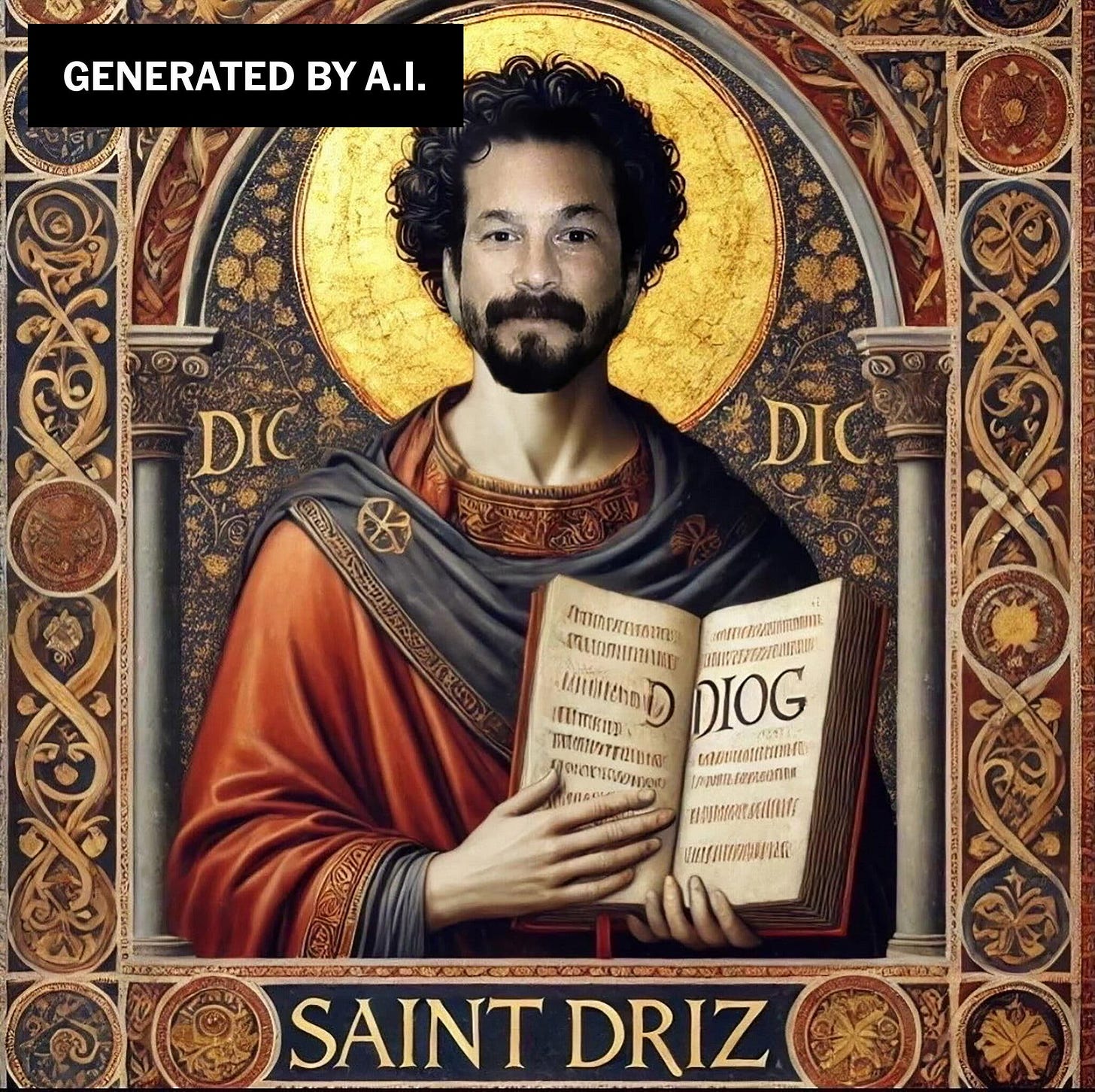 One of the images shared by F.B.I. agents, provided to The New York Times...
In his SpyTalk interview, Driscoll made clear his north star was the bureau’s long cherished independence, singling out Patel’s appearance at a political rally last August in Nassau County on Long Island alongside President Trump and Bruce Blakeman, the Republican candidate for governor in New York, as “wholly inappropriate and deeply troubling.” Patel and the justconfirmed Attorney General Blanche both spoke at the event, with the FBI director praising Blakeman and proclaiming, “Thanks to President Trump’s brilliant leadership, the American dream is not a dream anymore.”
Driscoll’s fierce resistance to such political kowtowing was forged during an excruciating crucible last year as acting director when he was confronted by demands from Trump appointees that repelled him. Although these experiences were outlined in his own lawsuit against the bureau, Driscoll fleshed out new details for SpyTalk on what happened and how he reacted.
In January 2025, he said, he had just taken over as special agent in charge of the FBI’s Newark field office when he was told to report to bureau headquarters in Washington to serve in an unspecified senior leadership position.
Upon arrival, he got a call from Paul Ingrassia, then a newly installed lawyer in the Trump White House, who advised him that he was in charge of vetting him for his new position. Driscoll, who already had above top secret security clearances, was put off from the start.
“I had a chip on my shoulder when this guy called me to vet me for a job in an organization I already belonged to,” Driscoll said. “One of the first questions was who I voted for [in the 2024 election between Trump and Kamala Harris.] …I was like, ‘Do you have my resume in front of you?’ He said yes. ‘So you know I’m an FBI agent, an active FBI agent. And so you should also know that it’s illegal for me or any FBI employee to discuss political leanings or politics of any sort in the workplace. It’s a violation of the Hatch Act. And so I’m not gonna answer that question.’”
Ingrassia, however, pressed on, according to Driscoll, asking him whether he had ever voted for any Democrats in the last five elections.
“And essentially I ended the conversation,” Driscoll said. “And what’s going through my mind is, what the hell is going on here? This is someone who told me he’s part of the White House DOJ transition team. This cannot be how it works. And if it is, I want nothing to do with this.”
Ingrassia, who now serves as acting general counsel for the General Services Administration, did not respond to a request for comment sent to the GSA press office.
Despite those testy exchanges, Driscoll was elevated to acting director — apparently as a result of a clerical error: One of his bureau colleagues from New York, Robert Kissane, was supposed to be the acting director and Driscoll his deputy, but somebody at the Justice Department screwed up the paperwork. Driscoll was made acting director while Patel’s nomination was pending before the Senate.
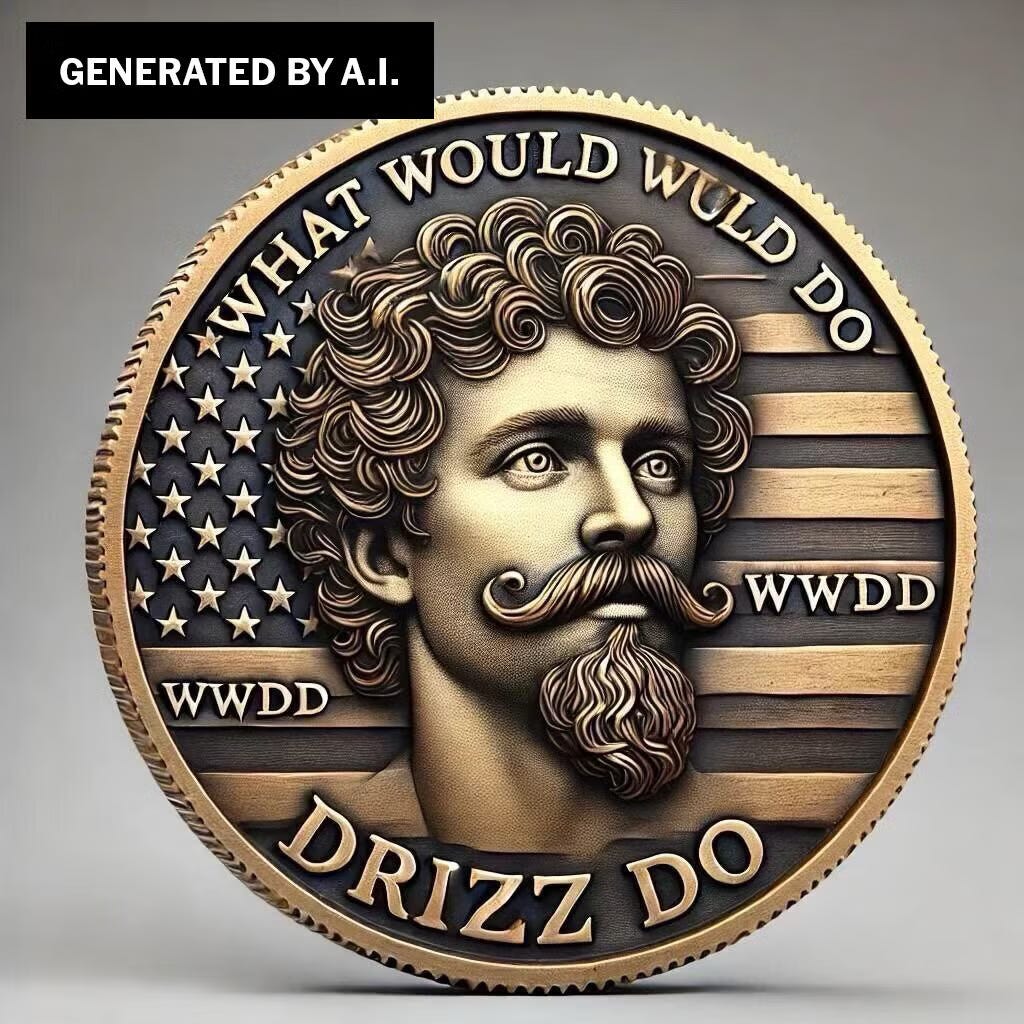 Another image shared by FBI employees
Refusal to Purge
It didn’t take long for Driscoll to clash with Bove, who had been one of Trump’s defense lawyers in the hush money case in New York (along with Blanche) and had just been installed in a senior position at Justice as acting deputy general. When Driscoll resisted the demand that he turn over the names of agents who worked Jan. 6 cases, Bove made it clear that the order to do so was coming directly from a high level official at the White House: Deputy Chief of Staff Stephen Miller.
“At one meeting in particular, Bove expressed frustration with me because he had received a phone call from Stephen Miller, [who was] essentially screaming at him and frustrated that I was not able to be controlled,” Driscoll said.
After Patel was confirmed and sworn in as FBI director, Driscoll stepped aside but continued to serve in a senior position as assistant director in charge of the bureau’s Critical Incident Response Group. Still, the demands to take disciplinary actions against his colleagues didn’t stop. In early August, he was told the White House wanted a veteran FBI pilot, Chris Meyer, fired after a right wing blogger falsely claimed the pilot had been a case agent on the Mar-A-Lago case. Driscoll refused, leading to a final confrontation between him and Patel a few days later.
At the meeting, Patel—according to Driscoll— made clear all the demands for firings were coming from Trump himself. “The FBI tried to put the president in jail and he hasn’t forgotten it,” Patel told him, adding that “his job depends on making this happen.
“I followed up with, is there anything I can say or do to stop this from happening?” said Driscoll. “And he said no.”
Later that day, Driscoll received his termination letter. “You have failed to execute and perform requested tasks and issued communications to the FBI workforce that undermined the leadership of the Department of Justice,” it read in part. “These communications advocated for insubordination within the Bureau and weakened workforce morale.”
It was signed by Patel.
Yet, for all his bitter fights with the new director and his top aides, Driscoll ended his SpyTalk interview with a somewhat surprising twist: He would like to return to the FBI, even under the current administration
“It’s still an amazing organization with amazing people in it,” he said. “The mission is too important to not have people with skills and experience in there.
“And so, just because the fish stinks from the head,” he added, “nobody’s gonna stop me from serving. Right now I am stopped. I’m not allowed to. I’m in exile essentially. But if I’m ever allowed to go back and serve I will.”
Well informed pieces like this one require the kind of long and deep experience in the subject that only veteran journalists like Michael Isikoff possess. To support his efforts, and the work of all of us here at SpyTalk, please consider taking out a paid subscription. Just click below for a no-obligation, 7-day free trial.