Conversation
-
The Death of Three Recent Giants: Lord Robert Skidelsky, Anwar Shaikh and Perry Mehrling
source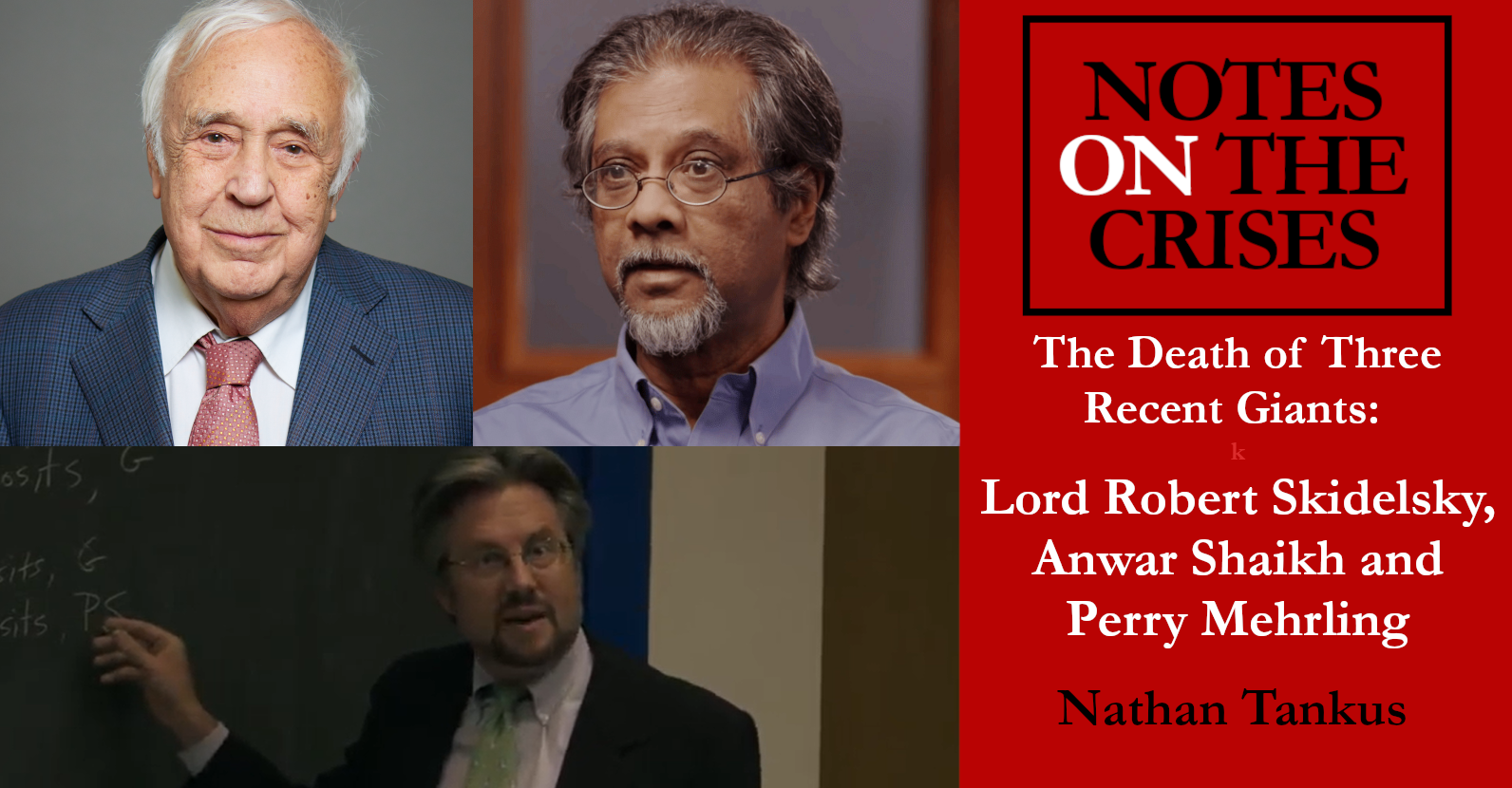
This year has been a difficult year for one of the corners of my world. It’s hard to even exactly describe what this corner is. The best way I can find to describe Lord Robert Skidelsky, Anwar Shaikh and Perry Mehrling is through a contradiction: they were all influential and marginalized macroeconomic thinkers. It hit me harder because I knew all these people personally. All deserve remembrance in their own right. They are all giants. But nothing will communicate the sadness and emptiness of a small corner of the world that doesn’t talk about each of them together.
I also have some stories and some personal connections that I want to get into print; so please indulge my nostalgia dear reader. I’m also remembering how gracious this corner of the world has been towards me from such a young age; taking me seriously when I had no right to be taken seriously and engaging me as an intellectual equal despite my lack of credentials. I would not be where I am today without so many people’s generosity and openness, which is especially remarkable for academics. With that out of the way, let’s get into it.
Lord Robert Skidelsky
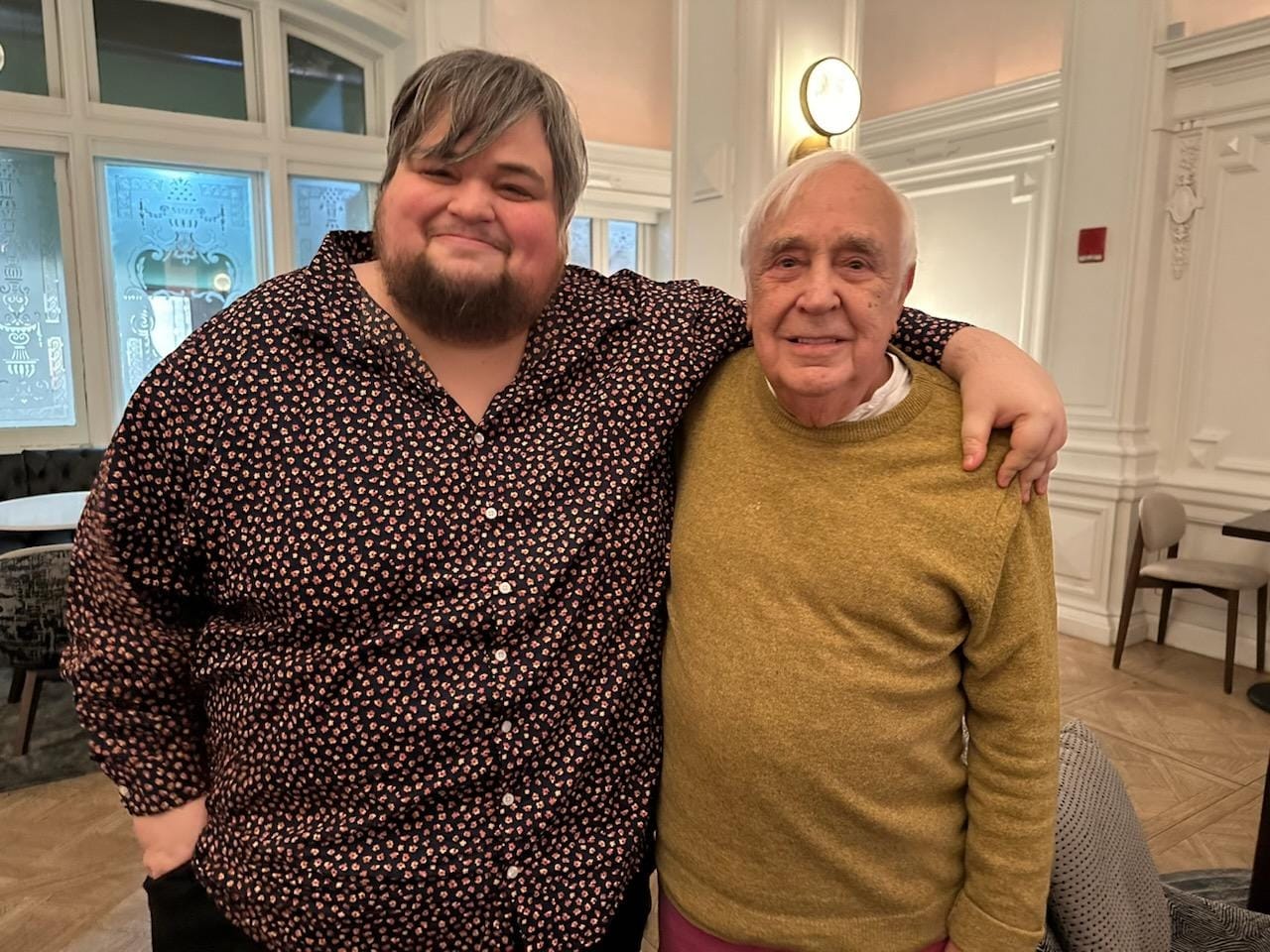
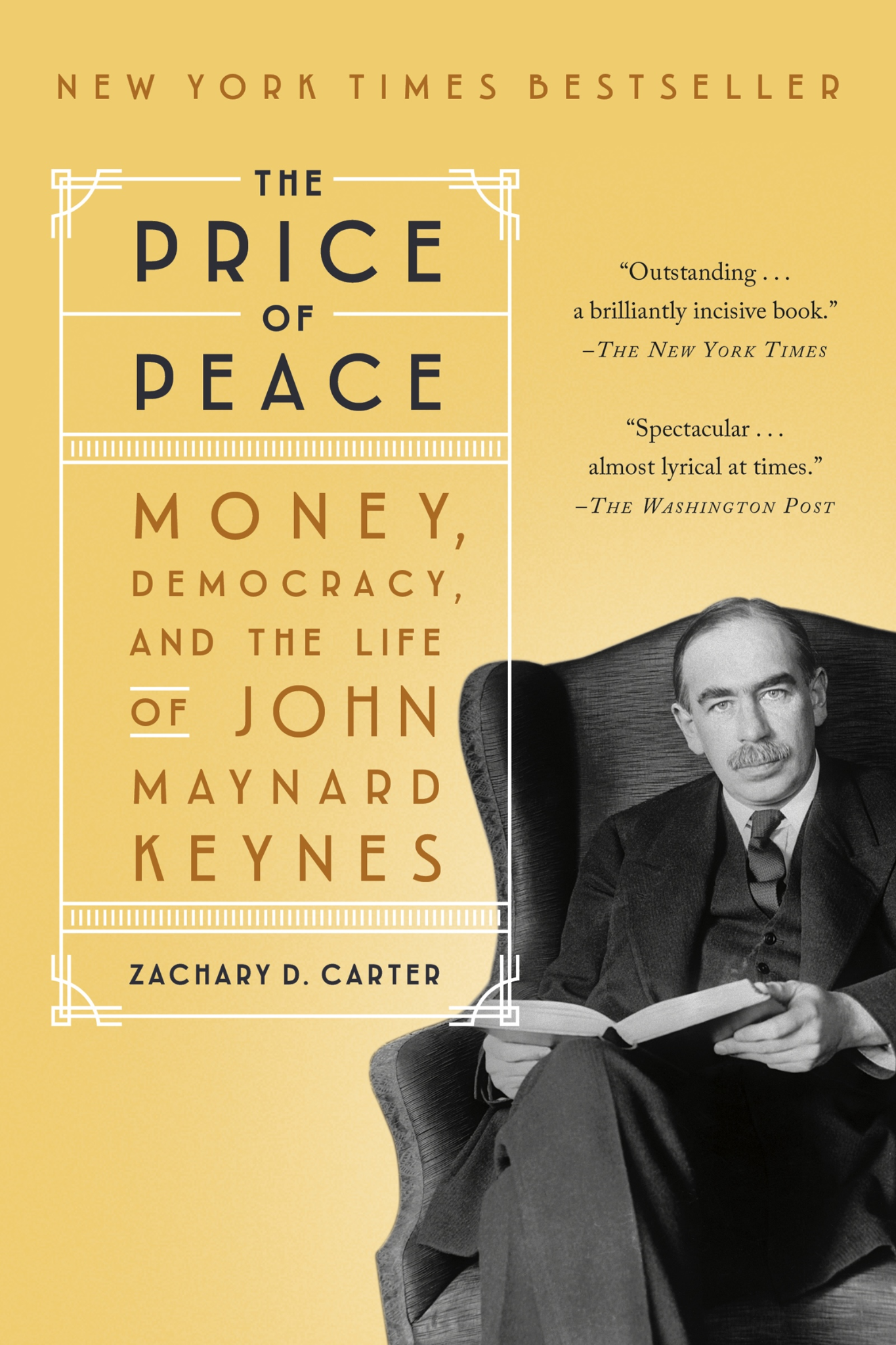
Of the three people this article is about, Lord Robert Skidelsky was the one I was closest to. Really, it's hard to explain our friendship. I first met Robert at the “First International MMT Conference” in late September 2017 in- where else?- Kansas City, Missouri. For those who don’t know, University of Missouri Kansas City is one of only four PhD granting institutions for “heterodox” economics in the United States. Anyway, my good friend- and at the time prospective Keynes biographer- Zach Carter made a point of introducing us. We had some interesting conversations. That’s not really where things kicked off between Robert and I.
The real beginning was at the small Kansas City airport the day after the conference. We were on the same early morning flight to New York City together. I saw him in line and struck up a conversation with him. We were enjoying our conversation enough that by the time we boarded the plane we asked if the person who had a ticket for the seat next to Robert minded switching with me. That person did not, and we went on to spend the entire flight from Kansas City to New York City talking nonstop. The conversation flowed and we barely noticed the three hours pass by.
We were enjoying the conversation so much, in fact, that when it became clear that he was also going to lower Manhattan I caught a ride in his taxi from Laguardia. We got stuck in horrible traffic; we didn’t care. We were loving talking. I can’t really describe why talking to someone 52 years, 7 months and 1 day older than me was so easy and natural. Obviously we had shared interests; he was the world’s preeminent Keynes biographer and Keynes has always been deeply important to my intellectual journey- just check my last article. But it wasn’t simply the intellectual interests we shared. It was easy talking to Robert about anything. I talked about life with Robert. The closeness we felt was immediate and lasted.
When we finally got to Manhattan, we weren’t done talking. So we made plans to have dinner together that week with the economist Clara Mattei. While we were stuck in traffic I talked to him about what vegetarian “faux meat” was like in his day. He talked about the horrible "cauliflower steaks” that were served in the 1970s. I told him about a fantastic vegetarian chinese food restaurant in Chinatown named “Buddha Bodai”. So that’s where we ate with Clara. Every subsequent time Robert was in New York, we made plans
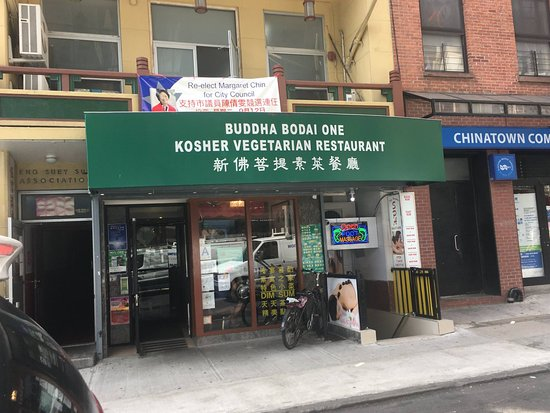
The first time he visited New York after we met, we organized a dinner together with Zach Carter. The second time he came however, Robert just made plans with me. In fact, that follow up visit I asked him if he wanted to also invite Zach. He didn’t seem to know who I was talking about and I dropped the matter. Later on Zach told me that every time he emailed Robert, Robert would write a polite response to his query and then move on to what he was really interested in: had Zach seen me? How was I doing?
I loved talking to Robert. Our personal bond was first and foremost, but Robert’s experiences were also fascinating to me. He told me about meeting Hugo Chavez; about watching the 2004 American presidential election in George Soros’s suite and watching as the room gradually began to realize that Bush won reelection. He told me about how Belarus tried to sell back to him a (the?) Skidelsky family home (our families in modern day Belarus died in the Nazi Holocaust not that far from each other). He told me about how China tried to sell him “back” the coal mine his father had leased from the Chinese government in 1920 (Robert was born in what is today’s Harbin China in 1939 and was briefly interned after Britain and Japan went to war). Robert lived a fascinating life that I never tired of asking about.
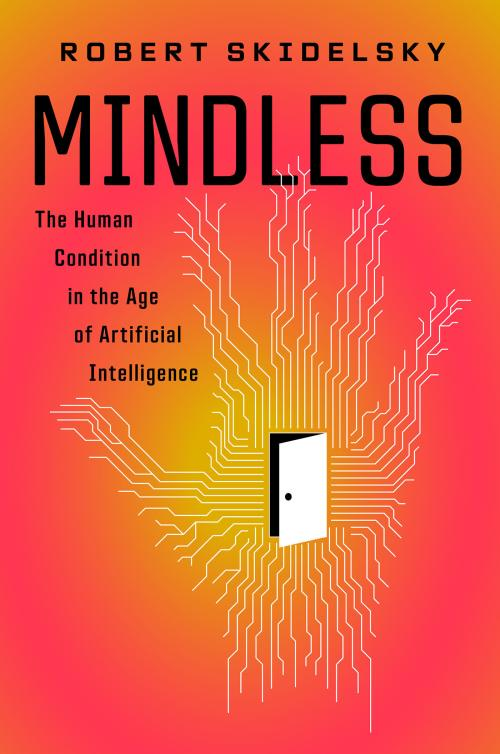
The last time I saw Robert was November 18th 2024 (the photo above is from that dinner). It had been a long time since we had seen each other because of the pandemic. At the end of the night he gifted me his then-most recent book (he has another coming out!). Appropriately enough, that book is on AI (!!!) and is entitled “Mindless: The Human Condition in the Age of Artificial Intelligence”. Tragically, he inscribed the book with the message “To Nathan, Lets not Leave it Another Five Years. Robert”.
Robert died on April 15th of this year. I wish I got to spend more time with him.
I realize, at the end of having written all this, I haven’t said anything about the intellectual influence Robert had on me or his intellectual contribution. I could do that, but I won’t. I wrote the truth. Robert was my personal friend and that’s what I think about when I think of him.
I have missed him greatly, and will continue missing him.
A note: I had a NOTC office event scheduled with Zach Carter to commemorate Robert last month, but it unfortunately had to be postponed to the spring. You’ll be hearing more about NOTC in-office events quite soon…
Anwar Shaikh
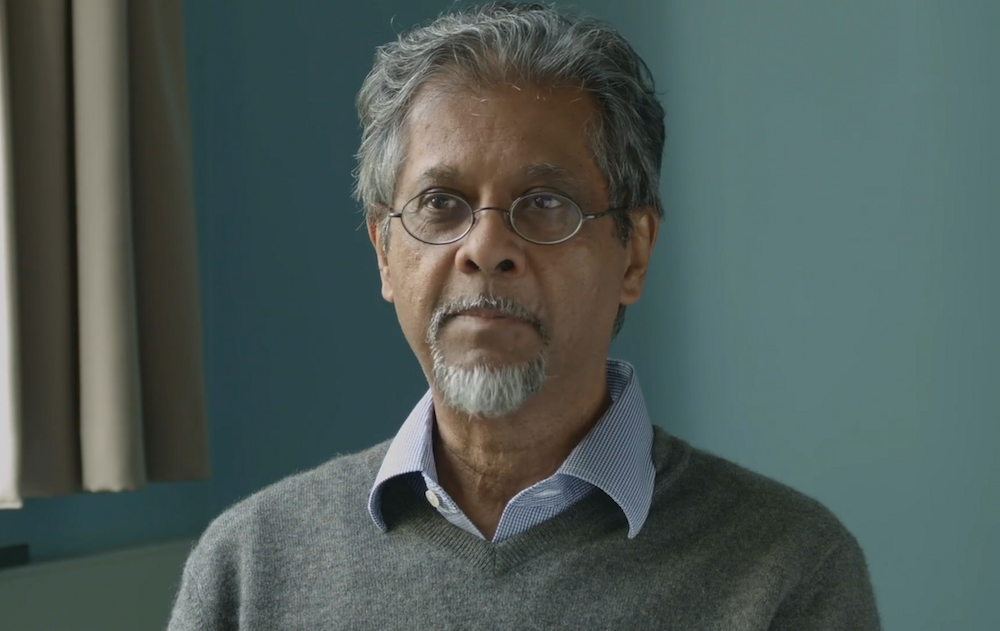
Anwar was someone I knew, but was not close to. My connection with Anwar was different; an important intellectual challenge on an intellectual journey. As I’ve discussed a few times in the past, my journey towards economics started in high school. Keynesianism was early on attractive and intuitive to me and reading Hyman Minsky’s book “Stabilizing an Unstable Economy” was a revelation for me. I remain one of the few defenders of that book. It's not an easy read, but it is a very productive one. I knew, however, there was something out there called “Marxist Economics” and it looked down upon any kind of Keynesianism, whether mainstream or Post-Keynesian Economics. At least, that’s the impression I got from online articles and social media.
So I also started to read Marxist economists. I visited the offices of the independent socialist journal Monthly Review. The summer of 2010 I spent reading the “magnum opus” by some of the founders of Monthly Review called “Monopoly Capital”. I write with certitude today, but I spent the first number of years learning economics trying to hold myself in a zone of intellectual uncertainty. After all, what did I know? In the process of deciding where to go to college, I visited a number of schools known for alternative economic thinking. On the way back from… SUNY Buffalo, I heard back over email from a professor at SUNY Cortland named Howard Botwinick. He would meet me in his office to talk about potentially attending school there.
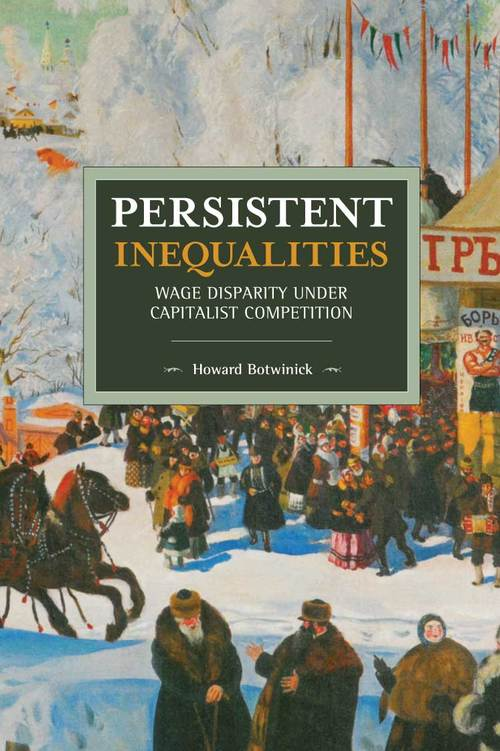
I ended up talking to Howard for over two hours. He was surprised that I had already read Keynes’ General Theory. I talked about Monopoly Capital, which I had just finished reading. I think I had heard of Anwar Shaikh’s work before, but it was this extended conversation with Howard which truly captured my interest. Howard was extremely generous with his time and attention and even gave me a printed manuscript copy of chapter ten of his book “Persistent Inequalities: Wage Disparity Under Capitalist Competition”. His book was out of print at the time and very expensive; I ended up having a friend borrow it from the Bard college library for me. I’m very happy to say that it got a cheap reprint in 2018, so buy it!
So what was so important about any of this? If you dig into mainstream economics, you will find references to perfect and imperfect competition everywhere. Perfect competition is a beguiling concept that is difficult to conceptualize because of its unreality. At its foundation, perfect competition describes a world where actors- and almost by definition these are “owner-operators” or, less charitably, individuals- who cannot influence the world. They can only choose the quantity they produce, but there is only one quantity that will be “profit maximizing”. The uninitiated often recoil when they truly understand what “perfect competition” means.
The intellectual trap that generations upon generations of people- critics and true believers alike- have fallen into is grasping for “imperfect competition” as “realistic”. The trouble is that this then puts business enterprises, nearly axiomatically, into the box of “uncompetitive” or “less competitive”. The very ability to act- to engage in strategic behavior to accomplish goals- becomes axiomatically evidence of a “lack” of competition- at least by degree. This has been best stated by a nearly forgotten British economist P.W.S. Andrews- a figure important both for Fred Lee (and those like myself who follow him) and Anwar Shaikh- in a 1958 essay entitled “Competition in the modern economy”:
Business men in manufacture and distribution whose own thinking dwells on the continuous attempt to displace rivals forced on them under pain of themselves losing ground to competitors are often surprised if they happen to pick up economics text-books to find that in perfect competition, the hypothetical condition which is the quintessence of competition as the economist sees it, there is no mention of this, to them, major aspect of the competitive struggle. Reading on, they may be still more bewildered to discover analyses in which some of their chief competitive weapons do appear, but are then described as characteristics of ‘imperfect’ or ‘monopolistic’ competition!
Abandoning perfect competition as an analytical benchmark has been a central element of my thinking for at least a decade now.
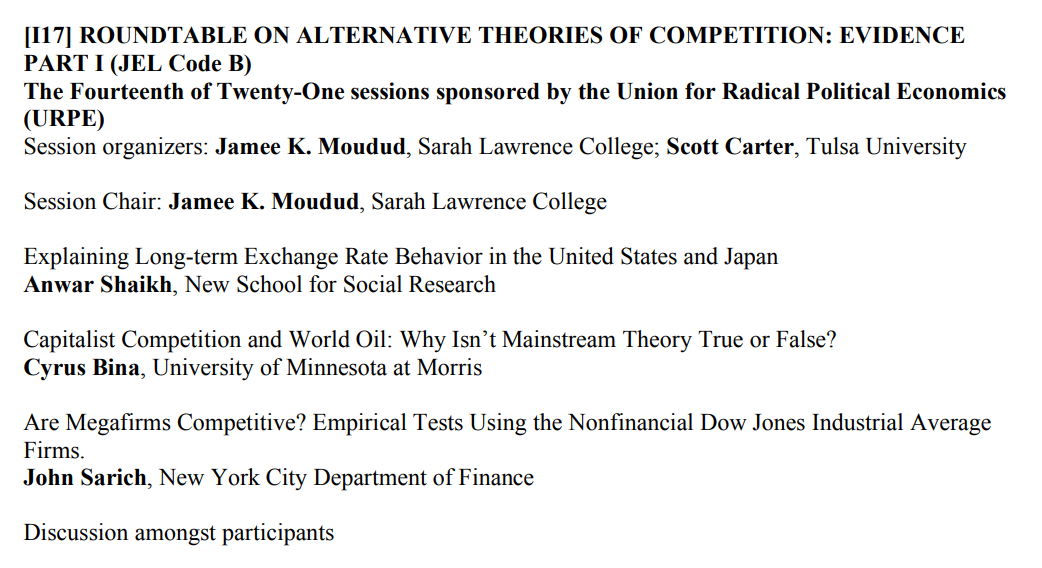
But we have to go back to high school for a minute. My encounter with Anwar Shaikh’s work, and what might be titled “New School Marxism” in honor of the PhD program he taught at for more than 50 years (and which is now under existential attack), had inadvertent positive effects for me very quickly. In my final semester of high school in the spring of 2011 at age 19 (I took two extra years to graduate high school, time largely spent deepening my knowledge of economics), I attended my first academic economics conference. The Eastern Economic Association conference. The most memorable panel I attended was a panel on “Alternative Theories of Competition” with Anwar Shaikh and other “New School Marxists” (even those who were not “from” the New School).
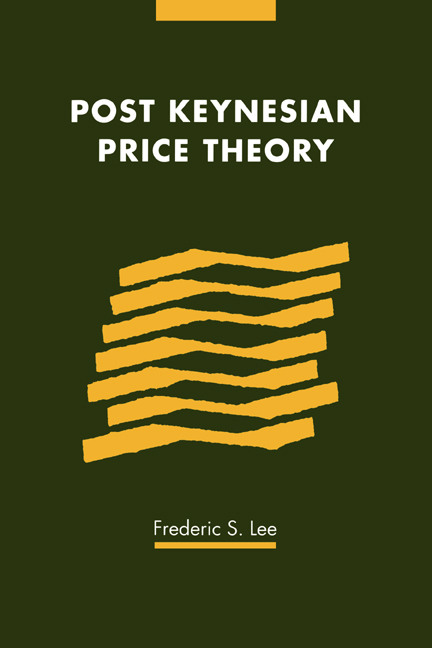
I asked a couple of questions in the Q&A- the brash confidence I had!- about the Shaikhian approach to competition. I had, after all, spent the time between meeting Howard Botwinick and this panel seven months later reading books and papers on this perspective, as well as reading a book by economist Fred Lee entitled “Post-Keynesian Price Theory”. I honestly have no recollection of what I asked, but it must have come off reasonably cogent. I say that because, after the panel, I introduced myself to University of Missouri Kansas City economist Mathew Forstater. He asked “So where are you a professor?” I said I was not one. He asked where I was a PhD student. I said I was not one. He asked where I was an undergraduate, I again said I wasn’t. He exclaimed in response “You’re in high school?!?!” On the way over to lunch he asked me if I had a “photographic memory”. I don’t have to express how validating moments like this were.
My journey with, and struggle with, Shaikh’s work continued from that point to this very day. I ended up not being convinced by some of the arguments about competition Shaikh and others put out, but I shared with them the rejection of the false neoclassical dichotomy of “perfect” and “imperfect” competition. I have started writing more and more about market governance over the last decade. New School Marxists struggle with the idea that markets are always governed. A pithy way I have come to recently to explain the difference between the New School Marxist view, and the Market Governance view following the late great Fred Lee is this: New School Marxists like to say that capitalist competition is war. However, capitalist competition isn’t war: its foreign policy.
There’s so much more to Shaikh’s work and history. His personal relationship with Joan Robinson, his contribution to debates about “production functions”. His late work on “econophysics” and his work on international economics. His work developing “Classical-Keynesian” Stock-Flow Consistent models. But when I think of Shaikh, I think about competition. So much of what I think on competition and market governance has been sharpened and developed in reacting to his analysis. In fact, I have a book review being edited right now at the publication Phenomenal World about a book with a novel and interesting argument about capitalist competition that required me to write about New School Marxism at length. Shaikh has been important to my life in multiple different ways.
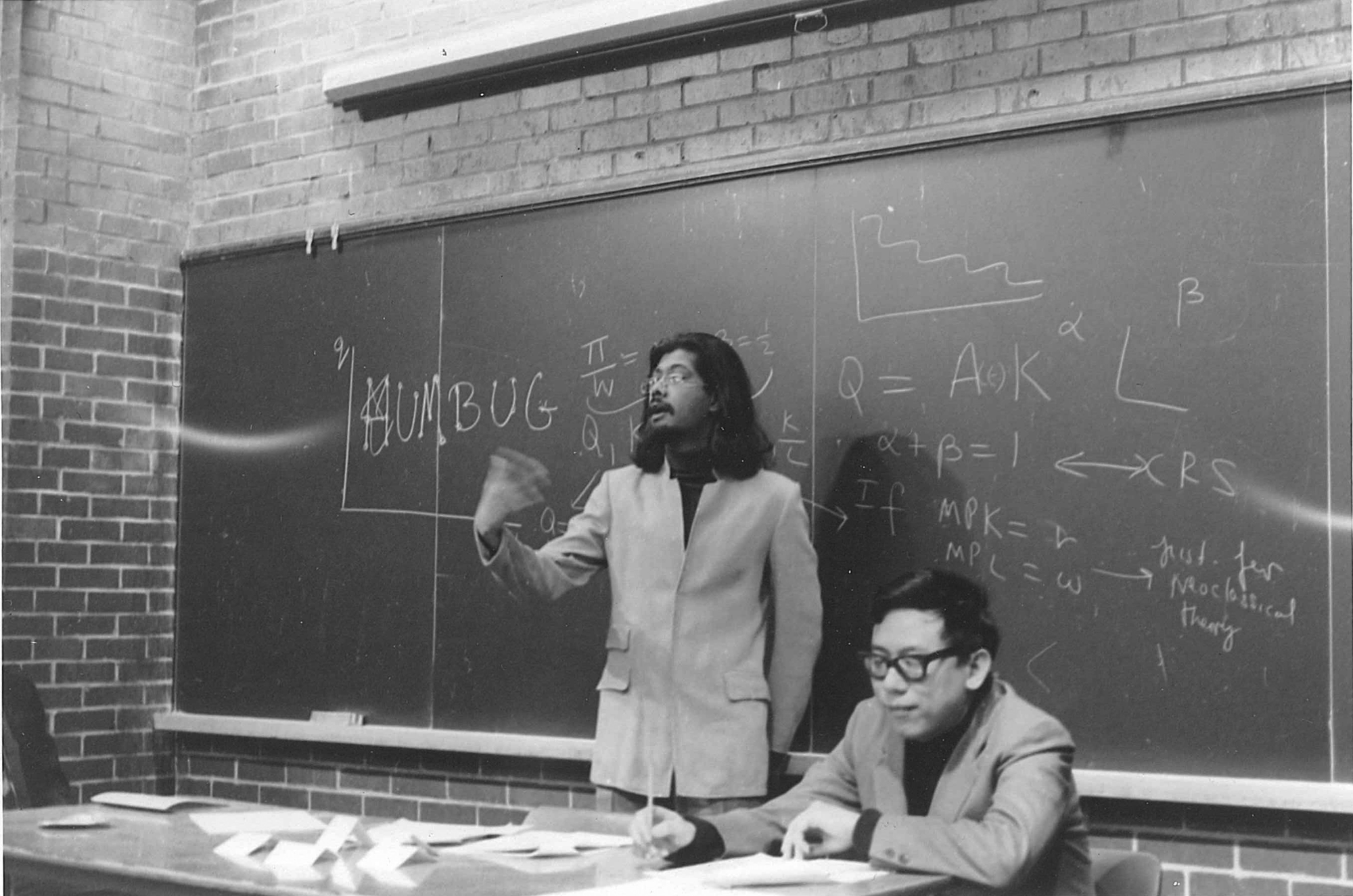
My most memorable personal experience with Anwar- I had numerous over the years since I first met him at that spring 2011 conference- actually involved Robert Skidelsky. On Halloween night 2017 I had a dinner planned with Robert. He told me to come around six o’clock where he would be finishing up a drink with Anwar. When I got there they were talking about Keynes, Sir Isaac Newton and magic. Yes, really. I ordered a whiskey and settled into the conversation. This topic is actually less strange than meets the eye. Keynes bought many original Newton manuscripts and wrote a fascinating essay about Newton claiming he was not the “first scientist” but the “last of the magicians”, noting Newton’s interest in alchemy.
My impression at the time was that when you get to a certain age after a long life as an intellectual, the more strange and obscure elements of your intellectual influences' thinking become more interesting than the humdrum arguments. Over a drink, who really wants to have yet another argument about competition after decades of doing it? When you’re with another old peer, why not have some fun talking about less trodden paths?
Part of why I’m writing about these three in such personal terms is that now I’m the only living witness to conversations like the one I walked in on between Robert and Anwar. I want to get some of these stories down in ‘print’ because I can never know if or when I will get around to writing a memoir. I have so many more important books to write. You never know what is going to happen.
Anwar died after a long struggle with pancreatic cancer.
I wish I could say that Anwar and Robert are somewhere talking about magic with Keynes and Newton. Unfortunately, I think we will have to settle for our memories of the both of them and the influence they had on us, and the world.
Perry Mehrling
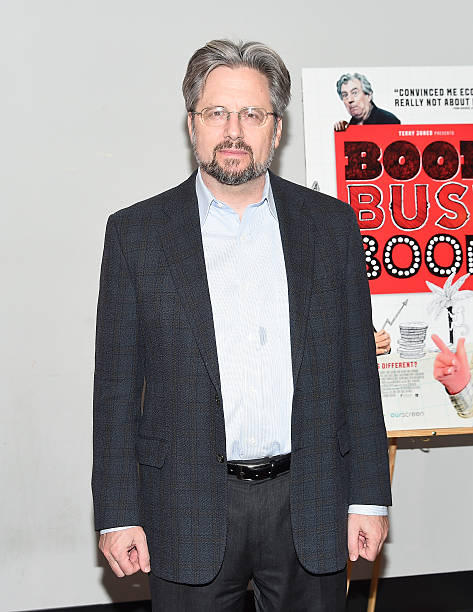
Which brings me to Perry Mehrling. The last person I will write about today, but by no means the least. Perry’s death this week is the most tragic of the three. He died Tuesday at the age of 67. He apparently fell, hit his head and slipped into a coma that he was in for two weeks before he passed away. This is part of why I’m thinking so much about the impermanence and fragility of life. Perry is yet another giant who was always generous and gracious with me. I first met him at the Institute for New Economic Thinking offices in 2013.
When I met Perry he was five years into a remarkable rise to prominence. For those of you who read the financial press today, who listen to Odd Lots, pay attention to financial market developments or simply have read material about the Great Financial Crisis of 2007-2009; it will be hard to understand what the before times were like. Understanding the institutional details of financial market governance in a way that connects up to a macroeconomic picture had been purged from economics by the mid-1970s at the latest. So when financial markets started seizing up in 2007, very few could perceive the earthquake that was coming.
Perry was one of those people. The explanation I provided of the liquidity crisis that happened starting in 2007 over the summer is a relatively well understood picture today. At least there are many different sources you could get such an analysis from. In 2007, there was basically nobody. Perry walked into the first day of his fall 2007 course and told his students that over the course of that semester they would see the financial innovations which emerged over that past decade tested for the first time; and we would learn where the weak points are. He was, of course, right.
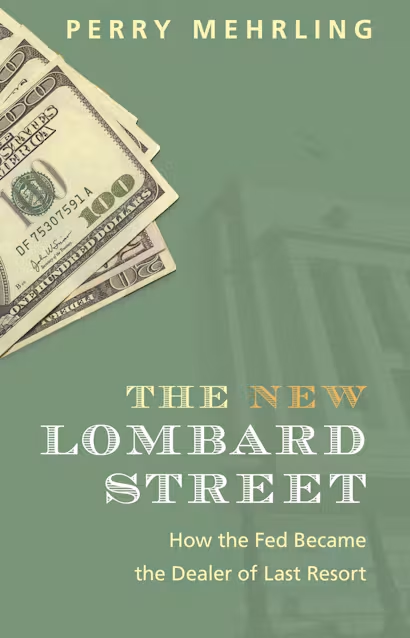
Over the course of that year Perry went from a mostly ignored professor toiling in obscurity to in-conversation with some of the most important institutions on the planet. He began writing Financial Times Opinion pieces for the first time. His work began to be read by everyone desperately trying to study for the exam which was months overdue; the test being “figure out what’s wrong with the financial system and respond”. People like Zoltan Poszar, then at the Federal Reserve Bank of New York, began talking to Perry. Zoltan very openly refers to Perry as his “teacher”. For a refresher about Zoltan, read the piece I wrote about him in the weeks after Silicon Valley Bank failed. Immediately after Lehman Brothers failed, Princeton University Press contacted him to write a book about what he was talking about in his opinion pieces. That book came out in 2011 and was named “The New Lombard Street”.
At the time I met him, his online class on Money and Banking- professionally filmed with financing from INET- had come out the previous year and been a smash success. People still watch it today to learn about Money and Banking. My relationship to this class is somewhat strange because I had already spent years learning the foundations when it came out. Further, the core of the class was “T accounts”- simplified balance sheets for conceptually tracing the way different sectors of the economy were interrelated through webs of liabilities and assets.
I had already spent years mastering T accounts- though the refresher was helpful. Hyman Minsky and Modern Monetary Theory had given me the “balance sheet and cash flow vision”- what Minsky called the “Wall Street Paradigm”. Where Perry’s work helped me the most is in thinking through the “governance” aspect of financial markets- particularly the role of financial dealers. The idea that balance sheets expand to keep financial market relations stable- to buy and sell- and spreads between the price at which actors offer to buy and offer to sell (known as “bid-ask spreads”) can reflect a “shortage” of balance sheet space needed to stabilize markets is very powerful.
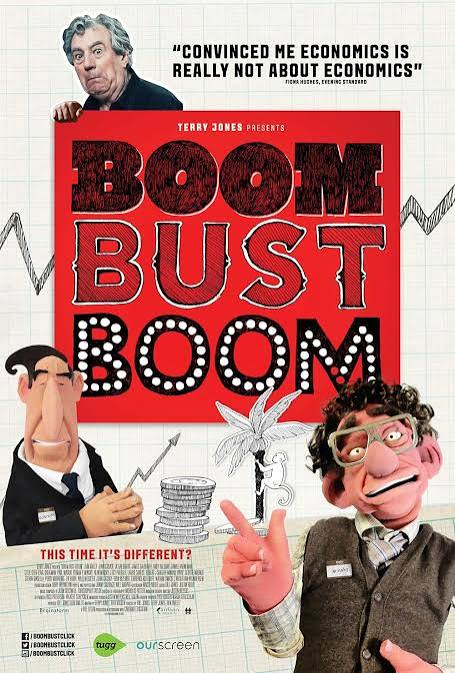
But if I didn’t learn “the language” from Perry, we still spoke the same language. This is what made arguing with him so rewarding- and frustrating. I have vivid memories of sitting in on a handful of his Global Money classes in the Fall of 2016 and arguing with him about the regulation of the Eurodollar market- dollar denominated liabilities issued by banks domiciled in foreign countries. In multiple classes the trump card I kept bringing up was the freezing of the Iranian government’s eurodollar holdings in 1979 after the Iranian revolution. We never really resolved those debates. Now we never will. Perry and I were both in Terry Jones’s last movie- a documentary about Minsky and financial markets entitled “Boom Bust Boom”. It was preposterous that I was in that documentary amongst all those luminaries. But Perry- and others- never acted that way.
In a lot of ways, Notes on the Crises was born as a next generation evolution of Perry’s approach to crisis watching. Where Perry wrote Op Eds, I wrote a newsletter. I used T accounts not as historical or illustrative tools, but to map out what was happening in real time. As Peter Coy wrote in his 2020 Bloomberg profile which forever changed my life:
This year he wrote a series of detailed posts called Notes on the Crises, which explained the Fed’s emergency actions to combat the Covid-19 recession. He made extensive use of T-accounts, a tool of accountants that places assets on the left and liabilities on the right.
Where Perry visited individual archives in person, I dug up anything I could from online archives. I requested- and got- scans from archives in far off places- including the National Archives. I started using FOIA as a research tool. I researched as an “internet native”. Perry sketched out the world by looking through the eyes of crucial figures in the history of finance. His biographies of finance theorist Fischer Black and economist Charles Kindleberger attest to this. I looked towards the archives of the institutions themselves.
Perry’s work is unquestionably one of the foundations that my work is built upon. One of the things I wrote in the aftermath of the failure of Silicon Valley Bank was a piece about Zoltan and Perry’s work entitled “The Utopian Vision of Financial Derivatives”- which I have now unlocked in honor of Perry’s death. As I say in that piece:
This brings us right back to the issue of safe assets. Some readers may have predicted where this is going. In essence, this vision comes down to comparing any given asset to a treasury bill, and then thinking through all the different financial derivatives that can be bought to turn any asset into a kind of treasury bill. Mehrling, Pozsar et al. use the term “quasi-treasury bill” for this type of asset, which I think is apt. It serves the role of a safe asset, of a treasury bill, until it suddenly can’t anymore. The key thing to understand is that in the full throated version of the utopian vision described here, with sufficient financial derivatives, any financial asset can be transformed into a “synthetic” or “quasi” treasury bill. The question is just the price you are paying on those financial derivatives compared to the return the underlying asset is providing over and above the return on an actual treasury bill.
In my view this analysis is indispensable.
In fact, it was crucial to me piecing together, in real time, what was happening in international financial markets after the Trump Tariff Financial Panic. The piece I wrote that week, “Is the Trump Tariff Financial Crisis A Crisis of the Dollar? It Doesn’t Seem to Be … Yet”, I think mostly holds up (though I’m well overdue for returning to this topic!). I started expanding out the terminology of that paper into other areas by using the phrase “quasi-Yen U.S. investments” in the way they used “quasi-treasury bill”.
Which brings me to the international financial system. Perry spent the last decade or so of his life developing his analysis of “Global Money”. The phrase is purposeful- he didn’t think in terms of “international money” in that he thought that that put too much emphasis on legal jurisdictions. As an unapologetic legal constructionist, I see the international currency hierarchy very differently. In fact, exactly two weeks before the news of Perry’s death, I was talking to my friend Ndongo Sylla about coauthoring a paper over the next couple of years on what I would call the “Mehrlingist” view of the international currency hierarchy. I’m crushed I’ll never get a chance to send a draft to Perry for comment.
The last time I saw Perry was when we were on a panel together at the second “Money as a Democratic Medium” conference at Harvard law school. It was great to see him and it never occurred to me that it would be the last time. I will forever feel that I’ve left something unfinished with Perry.
May Their Memories be a Blessing
I keep having whiplash between how reflecting on these three giants highlights how fortunate I’ve been and the sadness their deaths bring me. How generous people have been with me; how extraordinary my opportunities and life has already been. I needed to write this last night to process these feelings. I hope it was interesting to read and doesn’t come off too self-involved. I’m sure I’ll have a lot more to say about Perry’s work in the coming months and years. I will be involved in other commemorations of their lives. But this is what I have to say for now.
Have a good day everyone.